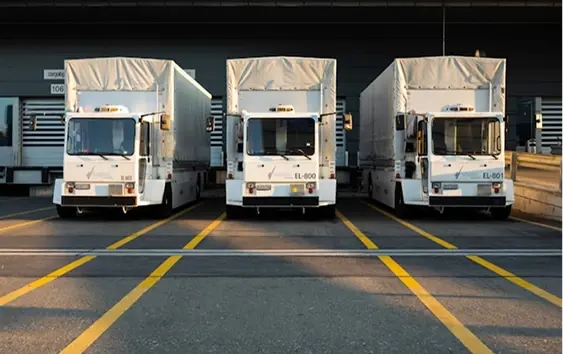


Dry cargo transportation is one of the fundamental pillars of global trade. From food products and industrial raw materials to construction supplies and textile goods, a wide range of products fall under the dry cargo category. This process is not simply about moving goods from one point to another; it involves strategic planning, operational management, compliance procedures, and delivery tracking.
In this article, we will examine the dry cargo transportation workflow step by step.
1. Shipment Analysis and Planning
The dry cargo transportation process starts with a detailed analysis of the shipment.
The following information is clarified at this stage:
Type of goods
Gross and net weight
Volume (cubic meters)
Packaging type (palletized, boxed, bulk, etc.)
Loading and unloading locations
Required delivery timeline
These data points are critical for both cost calculation and operational planning. For example, lightweight but high-volume cargo requires volumetric calculations, while heavy cargo requires careful tonnage and vehicle capacity planning.
Incorrect analysis at this stage can result in delays, additional costs, and operational risks.
2. Selecting the Appropriate Transportation Model
Once the analysis is completed, the most suitable transportation method is selected. Dry cargo transportation is typically carried out through:
Road freight
Sea freight
Rail freight
Multimodal transportation
The following criteria are evaluated:
Distance
Delivery time
Budget
Customs procedures
Sensitivity of the goods
For example, road freight offers flexibility and speed within Europe, while sea freight is often the most economical option for intercontinental shipments.
3. Pricing and Quotation Process
After determining the transportation model, freight cost calculation begins.
Pricing depends on:
Route and distance
Fuel costs
Port and customs fees
Insurance coverage
Additional services (warehousing, handling, packaging, etc.)
Transparent pricing is essential for customer satisfaction and long-term business relationships.
4. Operational Planning and Organization
Once the quotation is approved, operational processes begin.
At this stage:
Vehicle or container reservations are made
Loading plans are prepared
Required documents are issued (CMR, bill of lading, commercial invoice, etc.)
Insurance procedures are finalized
Time management is crucial during this phase. Especially in export operations, vessel cut-off times and border transit planning must be carefully organized.
5. Loading Process
The loading stage is one of the most critical steps in the workflow.
Improper loading may result in:
Product damage
Safety risks
Legal weight limit violations
Proper pallet arrangement, weight distribution, and cargo securing must be handled by experienced teams. Additionally, documentation and photographic records during loading enhance operational transparency.
6. Transportation and Shipment Tracking
Once the cargo is in transit, the process is actively monitored.
Modern logistics systems use:
GPS vehicle tracking
Real-time status updates
Digital document management
Process reporting
This ensures that both the shipper and the consignee can track the shipment transparently.
7. Customs Clearance and Legal Procedures
In international dry cargo transportation, customs procedures represent a key stage.
Required documents may include:
Commercial invoice
Packing list
Certificate of origin
Transport document
Missing or incorrect documentation can lead to delays and additional charges. Therefore, customs processes must be managed by experienced professionals.
8. Delivery and Completion
Upon arrival, the cargo is delivered to the recipient.
During delivery:
Documents are signed
Damage inspection is conducted
Delivery confirmation is obtained
The operation is officially completed once proof of delivery is confirmed.
Critical Success Factors in Dry Cargo Transportation
A successful dry cargo transportation workflow requires:
Accurate planning
Strong operational coordination
Transparent communication
Reliable carrier network
Risk assessment and insurance coverage
Professional workflow management not only optimizes costs but also prevents time losses and operational disruptions.
Conclusion
The dry cargo transportation workflow consists of systematic stages including analysis, planning, organization, transportation, customs clearance, and final delivery. Each step must be carefully managed to ensure operational efficiency and customer satisfaction.
In today’s expanding global trade environment, well-managed dry cargo logistics operations provide companies with a significant competitive advantage.